China and India Fund Russia's War. Europe's India Deal Is the Leverage It Has
Together they buy close to 90% of Russia's crude exports while calling for peace. The EU–India agreement is not yet ratified, which makes this the moment to attach conditions.
China and India take almost nine out of ten barrels Russia exports, buying discounted crude that cuts their own energy costs while Europe pays for sanctions. The unratified EU–India trade agreement is the leverage Europe still holds.
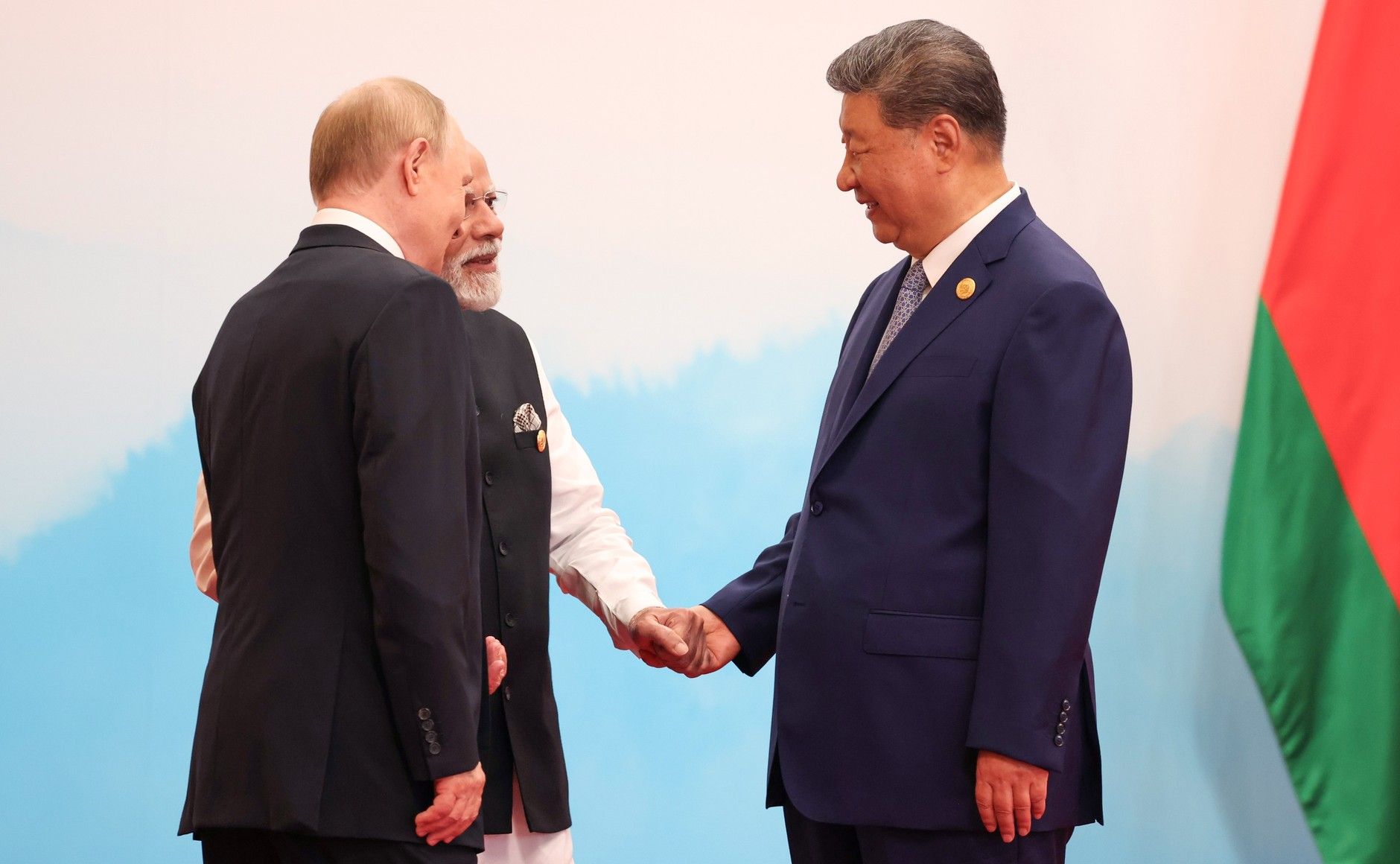
Two countries buy almost nine out of every ten barrels Russia sells abroad. In July 2026, China took 50% of Russia's crude exports and India took 37%. Turkiye and the European Union accounted for roughly 5% each.
Both Beijing and New Delhi call for peace in Ukraine. Both hold more leverage over Moscow than any European capital. Neither has used it.
The Buyers Set the Price of This War
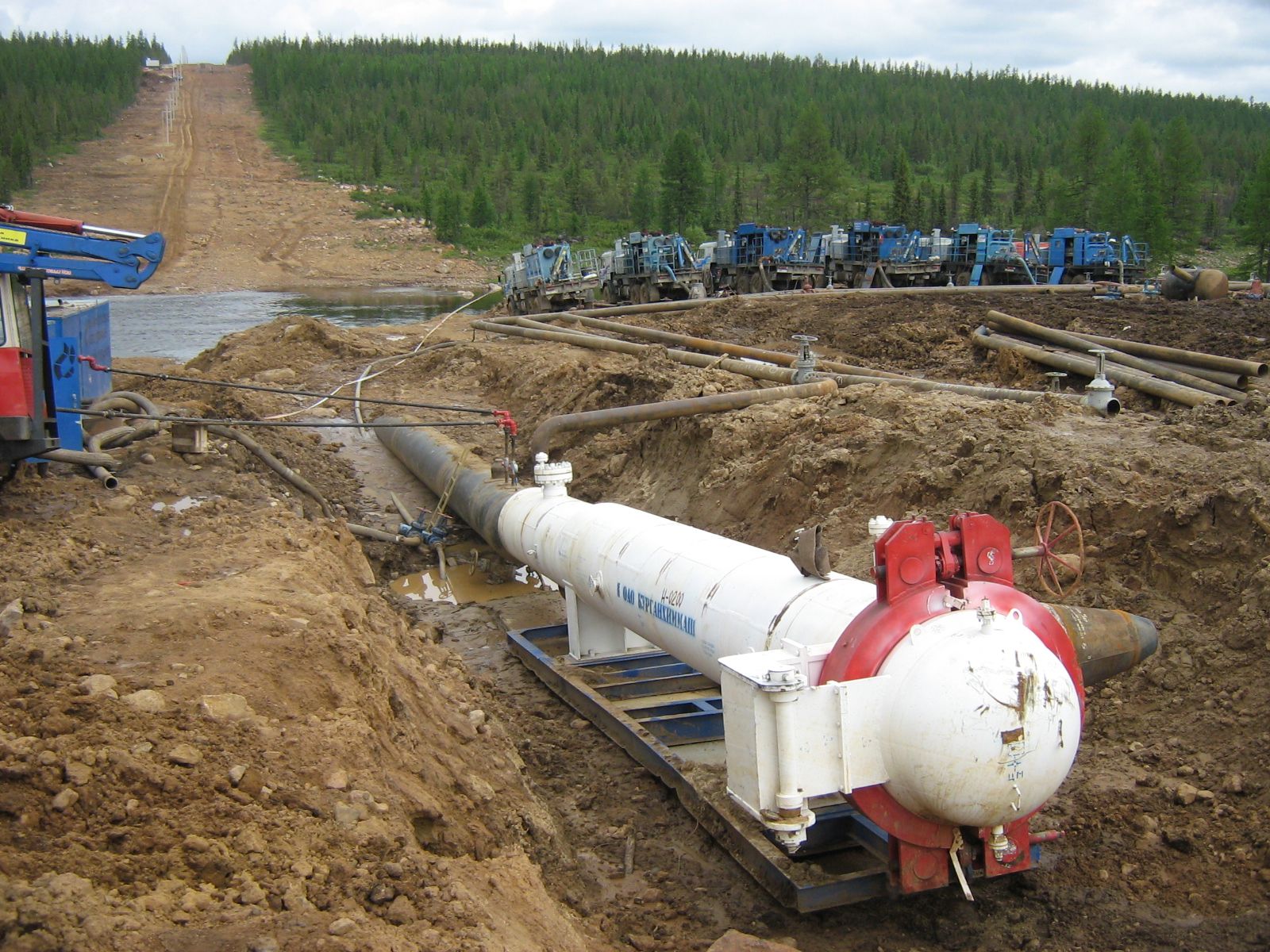
Figure 1
Pipeline and seaborne routes to Asia now carry the barrels that once went to Europe, which is why Beijing and New Delhi decide how much Russia earns.
Source: Panoramio via Wikimedia Commons
Before the invasion, Russian crude was around 2% of India's import basket. It has been India's largest single source of oil since 2023. Volumes ran near 1.7 million barrels a day in 2025 and around 1.0 to 1.2 million barrels a day in recent months, and they jumped back towards 1.85 million barrels a day after the Iran war disrupted Gulf supply.
China's purchases have moved the other way. It imported 11.2 million tonnes of Russian crude in August, around 2.64 million barrels a day, up 41% on a year earlier. In July it took 43% of the export revenue Russia earned from its five largest fossil fuel customers, EUR 7.7 billion.
Who buys Russia's crude
| Buyer | Share of Russian crude exports | Direction of travel |
|---|---|---|
| China | 50% | Rising, up 41% year on year in August |
| India | 37% | Falling from 2025 highs, but still Russia's second buyer |
| Turkiye | About 5% | Steady |
| European Union | About 5% | Phase-out committed by end-2027 |
Source: CREA, July 2026; Chinese customs; Kpler
Discounted Barrels Are an Industrial Subsidy
This is not only about Russian revenue. When Europe walked away from Russian energy, it paid for that choice in higher input costs across its industrial base. China and India did the opposite. They bought the barrels Europe refused, at a discount, and lowered their own energy costs in the process.
The result is a competitiveness transfer. European manufacturers absorbed the cost of sanctions. Asian refiners collected the discount. Both outcomes came from the same decision in Moscow.
What Europe carried
- Higher industrial energy costs
- Rebuilt supply routes and new LNG contracts
- The security burden on NATO's eastern flank
- The bulk of Ukraine's financing
What the buyers gained
- Crude at a discount to global benchmarks
- Lower refining input costs
- Export earnings on refined products
- A seller with no alternative market
The Trade Deal Is the Leverage
Europe spent nearly twenty years negotiating a trade agreement with India. Talks concluded in January 2026, and in September the Commission put the agreement to the Council for signature. It could be signed by December and enter into force in early 2027.
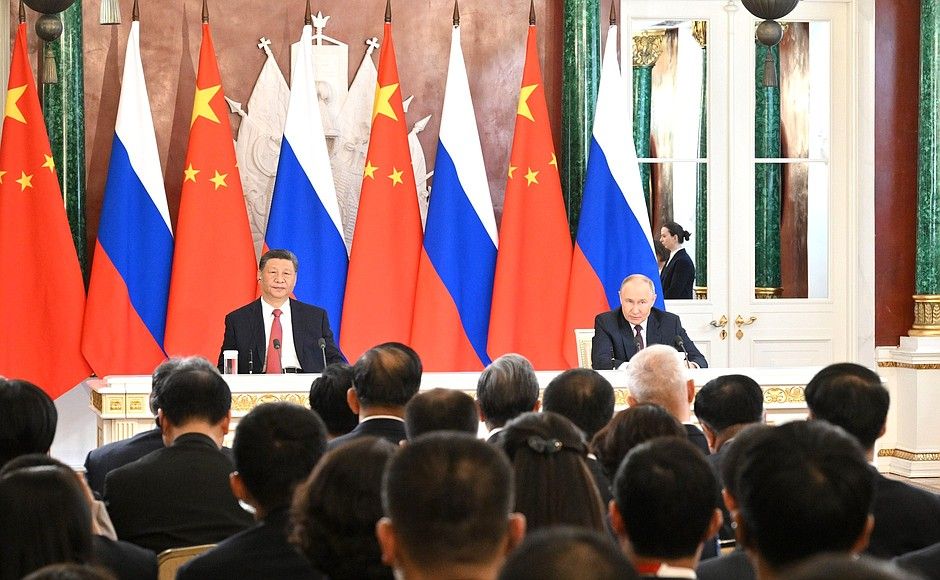
Figure 2
Beijing and New Delhi both describe themselves as neutral. Both buy the crude that keeps Russia's budget intact.
Source: Kremlin.ru via Wikimedia Commons (CC BY 4.0)
That sequence matters. The agreement is not yet ratified, which means the terms are still Europe's to set. Bilateral trade in goods and services is already worth around EUR 180 billion, and the deal is designed to double EU exports to India by 2032. Access on that scale is the strongest instrument Europe holds.
Conditioning ratification on verifiable reductions in Russian oil imports is not a punishment. It is a statement that market access and sanctions policy belong to the same conversation. Washington has already made that link with tariff powers of up to 100% on the largest buyers of Russian energy.
Europe has one instrument India wants and Russia cannot replace. Using it is not protectionism. Refusing to use it is a decision to keep funding both sides of the same war.
Europe Must Clean Its Own Hands First
There is an obvious answer from New Delhi and Beijing, and it lands. The EU still takes around 5% of Russia's crude exports and continues to import Russian LNG. A bloc that lectures others while writing its own cheques to Moscow will be ignored.
The EU has committed to ending imports of Russian oil and gas by the end of 2027. Bringing that date forward is the price of credibility. Conditions imposed on others only hold when the same standard applies at home.
What Conditionality Should Look Like
Conditions only work if they are measurable. Statements of intent are worthless when cargo tracking data can show exactly how many barrels move and where they land.
Attaching conditions that can be measured
| Policy Area | What Europe Needs |
|---|---|
| Trade | Tie ratification milestones of the EU–India agreement to verifiable cuts in Russian crude imports |
| Verification | Use cargo tracking and customs data as the measure, not political assurances |
| Refined products | Close the loophole on fuels refined from Russian crude and re-exported to Europe |
| Sanctions | Expand listings of refiners, traders and shipping firms in both China and India handling Russian oil |
| Coordination | Align conditions with US tariff powers so buyers cannot play Washington and Brussels against each other |
| Own supply | Bring forward the EU's own Russian energy phase-out from end-2027 |
Source: Article analysis
Conclusion
China and India could shorten this war. They have chosen cheap energy instead, and they have been able to do so because nobody attached a price to that choice.
Europe is about to hand India its largest trade agreement ever. It should not do so without asking what the money flowing to Moscow is worth.
FAQ
Stay ahead of European policy
Get access to the Renaissance Europe Institute's full research library, strategic analyses, and embargoed policy briefs — free to read.
- Weekly policy briefings and strategic analysis
- Early access to embargoed research previews
- Full library of briefs, blueprints & scenario analyses
No paywall · open-access research