Britain Pays for Access It Once Owned. Labour Should Name the Destination.
Ten years after the referendum, a majority says Brexit was a mistake and Britain is paying entry fees for programmes it once helped write. The reset is useful. It is not a strategy.
Brussels asked Britain for EUR 6.5 billion to join a defence fund it would once have shaped for free. With Brexit costing an estimated 4% to 8% of GDP and Europe integrating fast, Labour needs to name membership as the destination rather than negotiate access piece by piece.
In 2025, Brussels asked Britain to pay an entry fee of around EUR 6.5 billion for access to SAFE, the EU's 150 billion euro defence loan instrument. London balked, the talks collapsed, and negotiations are now being reopened. A decade ago Britain would have been in the room writing the rules for nothing.
That single episode is the whole post-Brexit settlement in miniature. Britain now pays for partial access to structures it once shaped from the inside, and it pays on terms set by others.
The Economic Case Is No Longer Contested
Ten years on, the range of estimates has narrowed and all of them point the same way. The Office for Budget Responsibility assumed a long-run cost of 4% of GDP. Goldman Sachs now puts UK output around 6% below its counterfactual path, up from its earlier 5% estimate. Model-based studies cluster around 5%, with recent empirical work in the 6% to 8% range.
What leaving has cost
| Source | Estimated cost | Basis |
|---|---|---|
| OBR | 4% of GDP, long run | Assumed 15% lower trade intensity |
| Goldman Sachs | About 6% below counterfactual | Doppelganger comparison, 2026 update |
| Model-based studies (average) | About 5% | Trade and productivity modelling |
| Recent empirical research | 6% to 8% | Observed post-2016 performance |
| IPPR | GBP 6.5bn a year in lost exports | Absence of mutual recognition with the EU |
Source: OBR; Goldman Sachs; IPPR
Estimates vary with method and control group, but none of the mainstream work finds a positive effect on output.
Critics are right that these are counterfactuals rather than measurements, and that the OBR's 4% is an assumption rather than an observation. But the burden of proof has shifted. After ten years, the promised offsetting gains from new trade deals have not appeared at anything like the scale required.
Figure 1
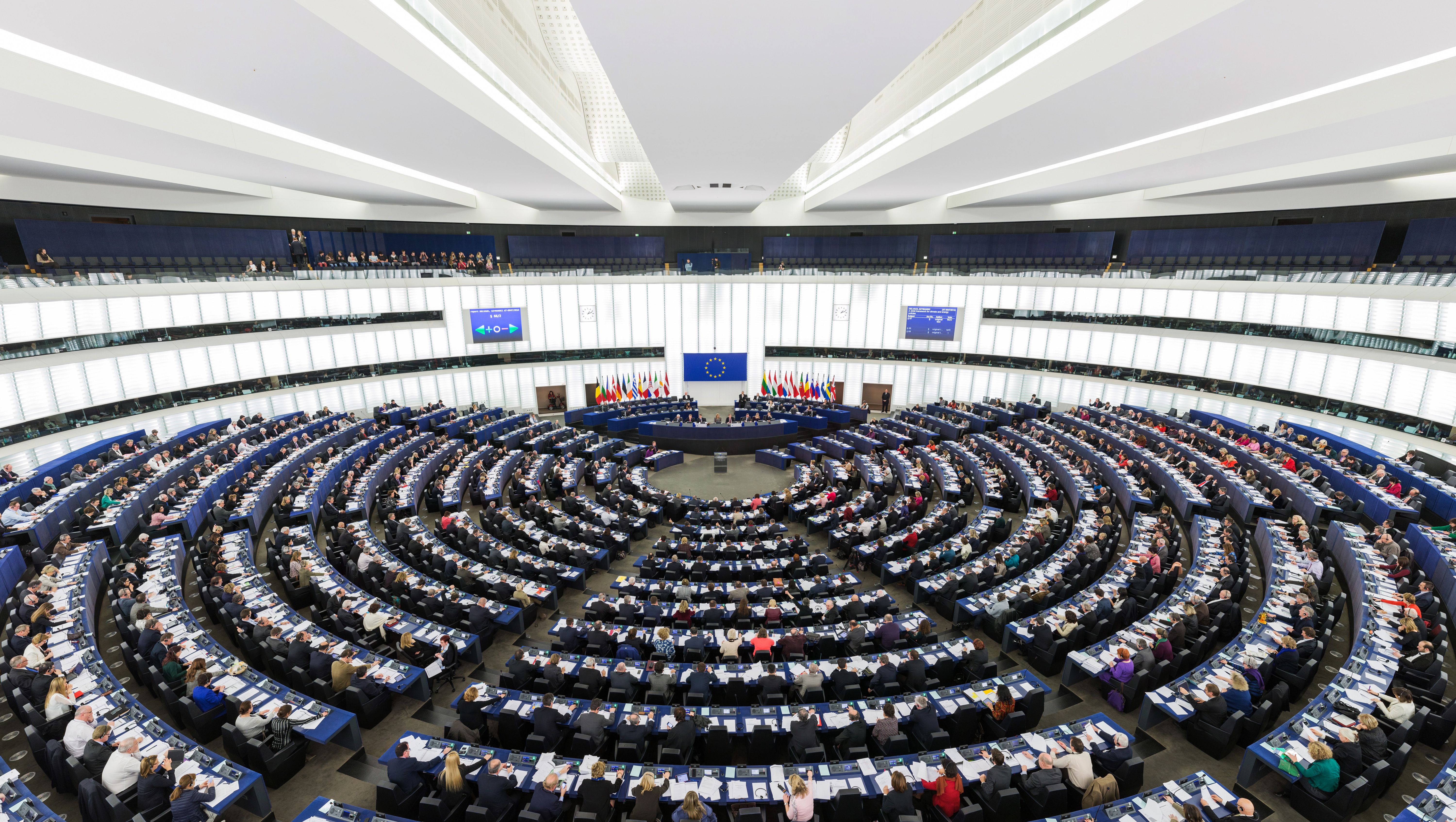
The chamber Britain left. Decisions on defence financing, capital markets and industrial policy are now taken without a British vote.
Source: Diliff, CC BY-SA 3.0, via Wikimedia Commons
Europe Is Integrating Without Britain
The Brexit debate of 2016 assumed a static EU. What has happened since is the opposite. The bloc has launched joint defence financing through SAFE and the wider rearmament agenda, rebuilt its capital markets project as the Savings and Investments Union, and started using trade and market access as instruments of strategic policy.
Britain has a security and defence partnership with the EU, signed in May 2025, and a reset package covering food standards and other practical irritants. Both are useful. Neither gives London a vote on the rules its exporters and defence firms have to follow.
What the reset delivers
- Reduced friction on agrifood and standards
- Structured dialogue on foreign and security policy
- A path towards defence industrial cooperation
- Access negotiated case by case, and paid for
What membership gave
- A vote on every rule British firms follow
- Automatic participation in new instruments
- Leadership weight alongside Germany and France
- Single market and customs union access by right
Britain did not leave a fixed institution. It left one that has since integrated faster than at any point in its history, and it now buys access to each new piece at a price set by the people still in the room.
The Politics Have Moved, but Less Than Rejoiners Think
Around 54% of voters now say Brexit was the wrong decision, against roughly 36% who say it was right. On membership itself, polling in 2026 ranges from about 48% to 63% in favour of rejoining depending on the pollster and the wording, against 32% to 38% who would stay out. Among 18 to 25 year olds, support has reached 86% in one YouGov survey.
Two numbers cut against the enthusiasm. Around 59% say they want a closer relationship without rejoining the bloc, the single market or the customs union. And only about 11% treat EU membership as a top political priority. Support for rejoining is wide, and it is shallow.
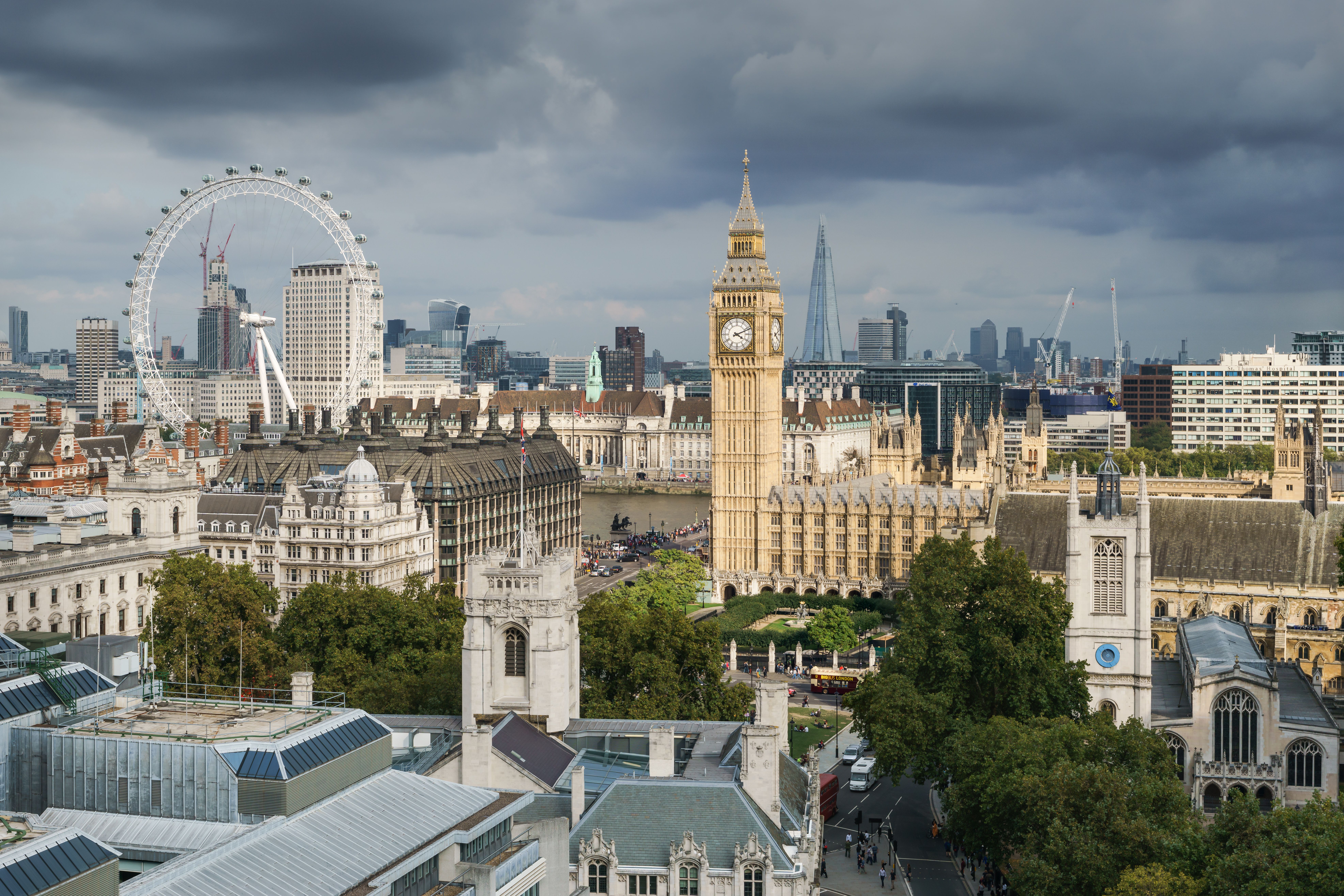
Figure 2
Andy Burnham's government inherited both the strongest pro-European polling since 2016 and a Reform UK challenge built on defending the opposite position.
Source: Diliff, CC BY-SA 3.0, via Wikimedia Commons
Brussels Has a Say Too
The rejoin conversation in Britain tends to be conducted as though the decision belongs to London alone. It does not. Accession requires unanimity among all member states, and Britain would return as a normal member rather than the exceptional one it was.
That means no budget rebate, a commitment in principle to eventual euro adoption, and none of the opt-outs accumulated between 1973 and 2016. Any honest rejoin prospectus has to say this out loud. A campaign that promises the old terms will collapse the moment Brussels confirms they are not on offer.
What Labour Should Actually Commit To
The choice is not between silence and a referendum pledge. It is between drift and a stated destination with a credible sequence towards it. Each step below delivers economic value on its own, and each one makes the next easier.
A sequence, not a slogan
| Policy Area | What Britain Needs |
|---|---|
| Standards | Mutual recognition of professional qualifications and conformity assessment |
| Goods | Dynamic alignment on chemicals, automotive and agrifood rules |
| Defence | Settle SAFE participation and join the successor instrument from the start |
| People | A youth mobility scheme, which polls well even among sceptics |
| Trade architecture | An honest assessment of customs union membership as the next structural step |
| Political framing | State membership as the long-term destination rather than a manifesto surprise |
Source: Article analysis
Conclusion
Ed Miliband told the Labour conference in September that Britain's future on economics, defence and security lies in a stronger, deeper partnership with the European Union. That is the right direction stated in the safest possible language. The question his government has not answered is where the partnership ends.
Europe is building the continental scale it needs on defence, capital and industry. Britain brings military weight, financial depth and diplomatic reach that would make that project stronger. Both sides lose from the current arrangement, in which Britain follows European rules and pays for the privilege of being consulted about them.
FAQ
Stay ahead of European policy
Get access to the Renaissance Europe Institute's full research library, strategic analyses, and embargoed policy briefs — free to read.
- Weekly policy briefings and strategic analysis
- Early access to embargoed research previews
- Full library of briefs, blueprints & scenario analyses
No paywall · open-access research